SSV Texas
Complete Custom Vehicle Builds
Performance, Chassis, Body and Paint—Planned as One Vehicle
The strongest builds are not collections of unrelated parts. The
powertrain, suspension, wheels, brakes, bodywork, paint and final
details should be selected around one clear vision for the vehicle.
SSV Texas coordinates complete builds for performance cars, trucks,
off-road vehicles and specialty applications throughout Central
Texas.
From Concept to Completed Vehicle
Planning & Design
Define the Build
Establish the vehicle’s purpose, priorities, appearance,
performance goals, parts requirements and realistic budget.
Coordinated Execution
Build in Stages
Complete mechanical, chassis, body and paint work in the correct
sequence to reduce conflicts and duplicate labor.
Final Integration
Refine the Vehicle
Review fitment, functionality, calibration, finish and
drivability before the completed vehicle is delivered.
a 50% deposit to book. Larger or multi-stage builds may use a
project-specific deposit and progress-payment schedule.
A Unified Plan
What Makes a Complete Build?
A complete build may involve several vehicle systems and multiple
stages of work. The goal is to ensure those systems are compatible
and contribute to the same intended result.
A complete project may include:
- Performance planning and tuning
- Supercharger or forced-induction installation
- Intake, exhaust and cooling upgrades
- Transmission and driveline components
- Suspension, steering and chassis upgrades
- Wheels, tires and brake packages
- Body and aerodynamic components
- Custom paint and complete color changes
- Graphics, stripes and livery
- Lighting and electrical accessories
- Interior materials and appearance details
- Final calibration, inspection and road testing
Not every build requires every category. The scope is developed
around the vehicle, intended use, priorities and budget.
Cars, Trucks & Specialty Vehicles
Types of Complete Builds
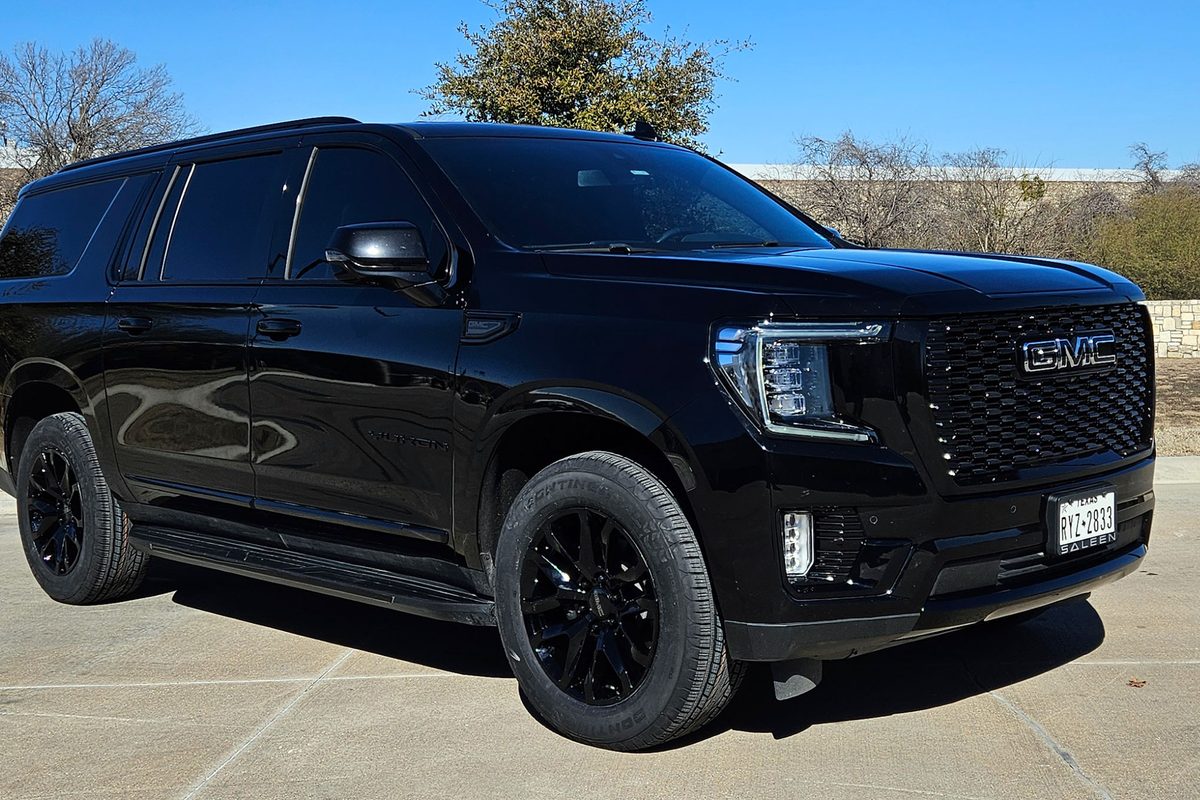
SSV Texas develops projects ranging from focused street upgrades
to complete exterior and performance transformations.
Build types may include:
- Street-performance cars
- Supercharged Mustangs and F-150s
- Performance and appearance-focused Corvettes
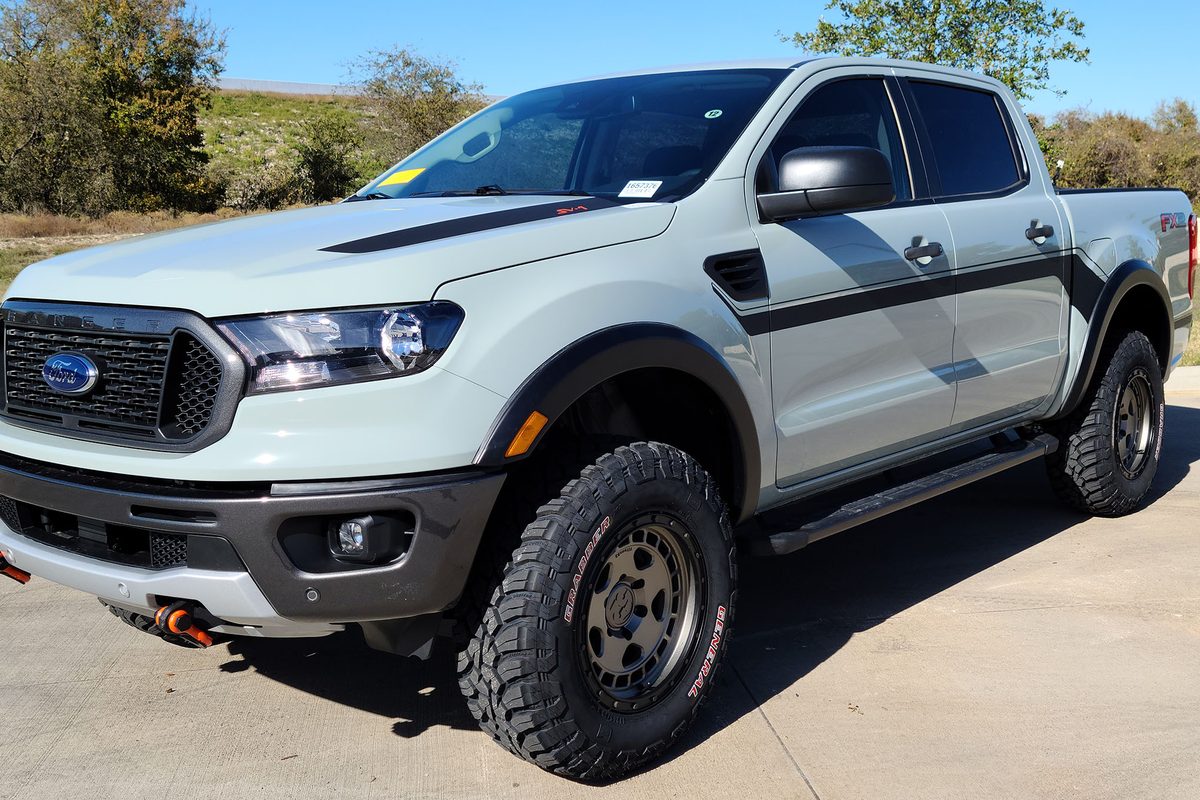
- Bronco and off-road builds
- Lifted and performance-oriented trucks
- Restomod and modernization projects
- Custom-painted promotional vehicles
- European and specialty performance vehicles
- Show vehicles
- Brand, event and marketing builds
Vehicle and system support is verified before a complete project is
accepted.
Start With the Goal
Build Consultation and Planning
The first step is defining what the vehicle needs to accomplish.
Horsepower, stance, sound or appearance alone does not provide
enough information to plan a successful build.
Initial planning considers:
- How the vehicle will be used
- Street, track, towing or off-road requirements
- Desired power and performance level
- Fuel availability and required octane
- Ride-quality expectations
- Wheel, tire and brake requirements
- Exterior design and finish
- Parts already purchased
- Target budget
- Preferred completion window
- Future modification plans
This information allows us to identify conflicts, required
supporting parts and the appropriate sequence of work before the
vehicle is disassembled.
Know the Starting Point
Vehicle Evaluation
The condition of the starting vehicle affects the cost, schedule
and reliability of the completed project. Existing problems should
be identified before major modifications begin.
The evaluation may include:
- VIN and vehicle-configuration verification
- Current modification review
- Diagnostic-trouble-code scan
- Engine and driveline condition review
- Suspension and brake inspection
- Wheel and tire condition
- Body, paint and previous-repair evaluation
- Electrical and accessory review
- Inspection of customer-supplied parts
- Identification of missing or incompatible components
Additional diagnosis or disassembly may be required when the
vehicle’s condition cannot be fully established during the initial
inspection.
Compatibility Before Ordering
Parts Selection and Procurement
Major components should be selected with the rest of the vehicle in
mind. A part may fit the model and still conflict with another
component or the intended use.
Parts planning may address:
- Vehicle and model-year compatibility
- Engine and transmission requirements
- Fuel and cooling requirements
- Wheel, tire and brake clearance
- Suspension geometry and ride height
- Body and aero fitment
- Electrical and control-system compatibility
- Calibration-platform availability
- Lead times and product availability
- Replacement and service-part availability
are purchased. Customer-supplied parts may be incorrect, incomplete
or incompatible even when advertised for the same vehicle.
Work in the Correct Order
Project Staging and Build Sequence
Complete projects are divided into logical stages. The exact
sequence depends on whether the build involves mechanical work,
fabrication, body components, paint or final calibration.
A typical sequence may include:
- Vehicle documentation and initial inspection
- Disassembly and component inventory
- Mechanical and performance work
- Suspension, brake and driveline installation
- Body and aero test-fitting
- Paint preparation and refinishing
- Exterior and interior reassembly
- Wheel and tire installation
- Electrical and accessory integration
- Fluid filling and system checks
- Calibration and functional verification
- Road testing and final inspection
Planning the order of work reduces avoidable disassembly, damage to
finished components and duplicated labor.
Power & Drivability
Performance Integration
Power upgrades must be supported by the fuel system, cooling
system, transmission, driveline, brakes, tires and calibration.
Performance planning may include:
- Supercharger or forced-induction systems
- Intake and exhaust components
- Fuel-system upgrades
- Engine and intercooler cooling
- Engine and transmission calibration
- Clutch, converter or transmission upgrades
- Driveshaft, axle and differential components
- Brake and traction upgrades
- Wheel and tire selection
Performance tuning starts at $600 for supported applications.
Required hardware, credits, licensing and controller access are
additional.
Stance & Control
Chassis and Fitment Integration
Suspension, wheels, tires and brakes are planned as a complete
system rather than selected independently.
Chassis planning may include:
- Lowering, leveling or lifting
- Coilovers, shocks and springs
- Control arms and geometry correction
- Sway bars and chassis components
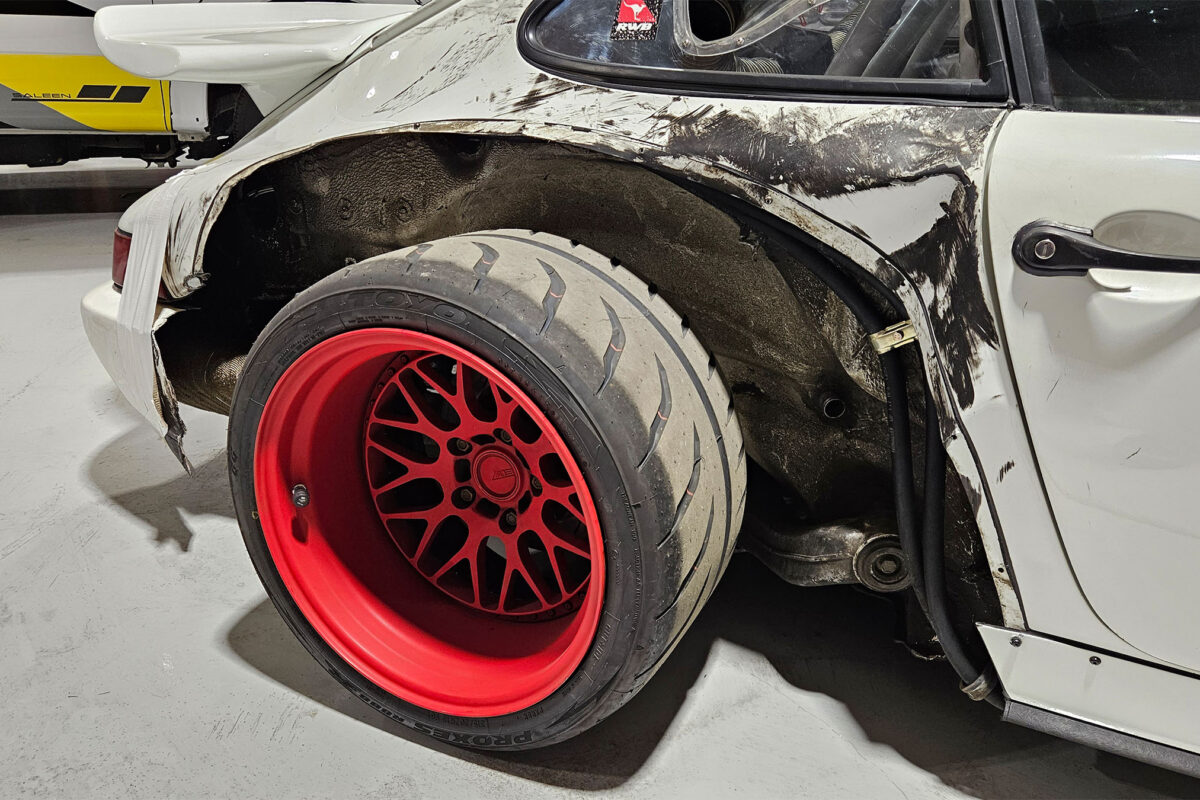
- Wheel width, diameter and offset
- Tire size and intended use
- Brake-package clearance
- Body and suspension clearance
- Alignment coordination
Ride height and wheel fitment are reviewed before body and paint
work is finalized whenever they affect the exterior design.
Design & Finish
Body, Aero and Custom Paint
Exterior work can range from installing and refinishing individual
components to a complete vehicle teardown and color change.
Exterior-build services may include:
- Body and aero component installation
- Hoods, fenders and quarter-panel components
- Splitters, side skirts, spoilers and diffusers
- Widebody and over-fender components
- Complete color changes
- Custom paint schemes
- Stripes, graphics and livery
- Painted trim and interior accents
- Final reassembly and finish inspection
SSV Texas maintains a full in-house AkzoNobel mixing bank. We also
spray BASF and PPG systems when required by the project,
manufacturer specification or existing finish.
Realistic Project Management
Build Schedules and Unforeseen Work
Complete custom builds involve variables that cannot always be
identified before disassembly, test-fitting or initial operation.
A projected schedule is established, but it may need to change as
the project develops.
Schedule changes may result from:
- Hidden vehicle damage or previous repairs
- Worn or damaged mechanical components
- Incorrect or incomplete parts
- Aftermarket component fitment problems
- Backordered or delayed parts
- Additional fabrication or preparation
- Paint or finish correction requirements
- Calibration or diagnostic issues
- Customer-requested scope changes
Material changes to scope, cost or schedule are communicated as the
project progresses.
Final Integration
Testing, Inspection and Delivery
Final verification depends on the type of work completed and may
require several separate checks before the vehicle is ready for
delivery.
Final procedures may include:
- Fluid-level and leak inspection
- Fastener and hardware review
- Electrical and accessory function checks
- Body-panel and exterior-component inspection
- Wheel, tire and brake clearance review
- Calibration and diagnostic-code review
- Road testing when appropriate
- Post-test inspection
- Finish and detail review
- Operating and maintenance guidance
Some new components require an initial break-in period, follow-up
inspection or scheduled fluid and fastener service.
Customer-Supplied Parts
Customer-supplied parts are accepted following application,
condition, completeness and fitment review.
SSV Texas does not warranty customer-supplied parts, incorrect
fitment, manufacturing defects, missing hardware or failures
caused by those components.
Deposits and Payments
Most projects require a 50% deposit to reserve
production time and order components.
Larger builds may use project-specific deposits and progress
payments based on defined stages.
Central Texas Builds
SSV Texas serves enthusiasts throughout Central Texas, from Waco
to San Marcos.
Complete builds begin with a vehicle, goals and component review
before production time is scheduled.
Common Questions
Complete Build Frequently Asked Questions
How much does a complete build cost?
Complete builds are quoted individually. Cost depends on the
vehicle, condition, parts, labor, bodywork, paint, calibration
and desired level of completion. A preliminary scope is developed
before the project is booked.
Do I need to know every part I want before contacting you?
No. Begin with the vehicle, intended use, priorities, preferred
appearance and realistic budget. We can help identify compatible
components and the correct order of work.
Can SSV Texas supply all the parts?
We can source many of the components required for a build.
Availability depends on the vehicle, manufacturer and project.
Parts selection and lead times are confirmed before ordering.
Can I provide my own parts?
Yes, following application, condition, completeness and fitment
review. Customer-supplied parts are not warrantied by SSV Texas.
Additional labor may apply to incomplete, damaged, used or
incompatible components.
How much deposit is required?
Most projects require a 50% deposit. Larger or multi-stage builds
may use a project-specific deposit and progress-payment schedule
based on scope and parts requirements.
How long does a complete build take?
Timing depends on the scope, parts availability, vehicle
condition, body and paint requirements, calibration and
unforeseen work. A projected schedule is established after the
vehicle and parts plan have been evaluated.
Can the build be completed in stages?
Yes. A project can be divided into logical stages when the
component plan and installation sequence allow it. Later stages
should be considered before early parts are ordered.
Can you build a vehicle that remains practical to drive?
Yes. Daily driving, fuel availability, ride quality, noise,
climate, towing and maintenance requirements should be defined
during planning so the build reflects how the vehicle will
actually be used.
What should I send before requesting a consultation?
Send the year, make, model, VIN, current condition, modification
list, intended use, desired result, approximate budget and
photographs of the vehicle and any parts already purchased.
Start Planning Your Complete Build
Tell us about the vehicle, how it will be used and what you want the
finished project to accomplish. Include the year, make, model, VIN,
current modifications, desired result, approximate budget and any
components already purchased.
Complete custom builds for enthusiasts throughout Central Texas,
from Waco to San Marcos.