SSV Texas
Suspension, Wheels & Tires
Complete Fitment for Street, Performance and Off-Road Builds
Suspension, wheels and tires should be planned as one system. Ride
height, wheel width, offset, tire size, brake clearance and intended
use all affect how the finished vehicle looks, drives and performs.
SSV Texas develops complete fitment packages for performance cars,
street trucks, off-road vehicles and specialty builds throughout
Central Texas.
Suspension and Fitment Services
Street & Performance
Quoted by Scope
Lowering systems, coilovers, handling components and performance
wheel-and-tire packages.
Truck & Off-Road
Quoted by Scope
Leveling systems, suspension lifts, shocks, steering components
and load-appropriate fitment.
Complete Fitment Packages
Quoted by Scope
Suspension, wheels, tires, brakes and body clearance evaluated as
one coordinated package.
tire specifications, existing modifications and required supporting
components. Alignment, calibration and additional correction work are
included only when listed in the written estimate.
Street & Performance
Performance Suspension
A performance suspension should improve the vehicle’s stance and
response without creating unnecessary clearance, alignment or
drivability problems.
Performance suspension services may include:
- Lowering spring installation
- Performance shock and strut installation
- Coilover installation and initial setup
- Sway bars and end links
- Adjustable control arms
- Camber and alignment components
- Bushing and chassis upgrades
- Ride-height adjustment
- Wheel and tire clearance review
- Alignment coordination
Recommendations are based on whether the vehicle is primarily used
for daily driving, spirited street driving, shows, autocross or
track events.
Stance & Clearance
Lowering and Ride-Height Planning
Lowering changes more than appearance. It can affect suspension
travel, alignment, tire clearance, front-splitter clearance and how
the vehicle responds over uneven roads.
Before selecting a lowering system, we consider:
- Desired ride height
- Available suspension travel
- Wheel width and offset
- Tire size and profile
- Fender and body clearance
- Front splitter and underbody clearance
- Factory adaptive suspension
- Factory front-lift systems
- Alignment-adjustment range
- Daily-driving conditions
Extremely low ride height can limit suspension travel and increase
the likelihood of tire contact or body damage. We establish those
tradeoffs before components are installed.
Adjustable Suspension
Coilover Installation and Setup
Coilovers can provide ride-height and damping adjustment, but the
system still needs to be selected and configured for the vehicle’s
weight, intended use and wheel-and-tire package.
A coilover project may include:
- Application and spring-rate review
- Coilover installation
- Initial ride-height adjustment
- Preload adjustment according to manufacturer procedure
- Damping baseline setup
- Clearance and suspension-travel inspection
- Supporting control-arm installation
- Alignment coordination
- Post-installation fastener review
Corner balancing and specialized competition setup are separate
services when required and available for the application.
Trucks & SUVs
Leveling and Lift Systems
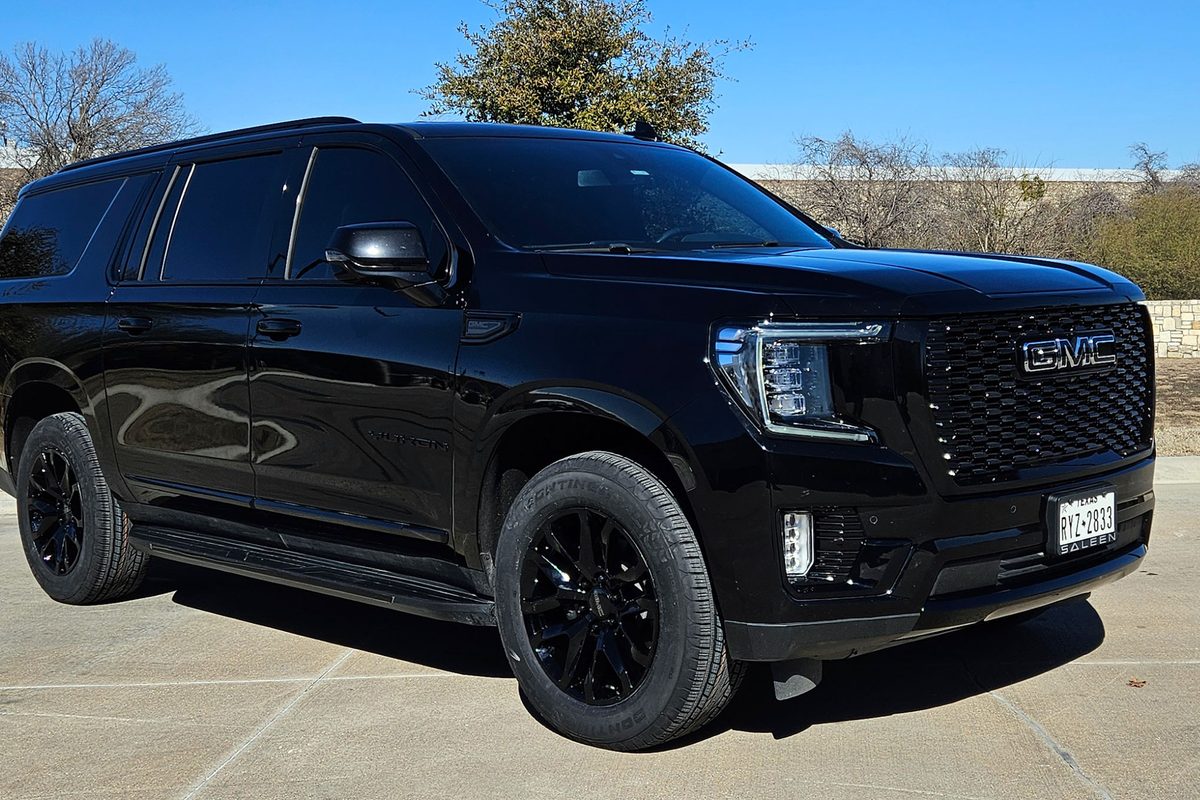
A truck or SUV suspension package should provide the desired stance
and clearance while accounting for steering geometry, towing,
payload, ride quality and tire fitment.
Truck and SUV suspension services may include:
- Leveling kits
- Complete suspension lift systems
- Coilovers and performance shocks
- Upper control arms
- Radius arms and suspension links
- Track bars and geometry correction
- Steering stabilizers
- Air-assist and load-support components
- Wheel and tire clearance planning
- Alignment coordination
Recommendations depend on whether the vehicle is used for daily
driving, towing, hauling, off-road driving or a combination of
those activities.
Off-Road Capability
Off-Road Suspension and Tire Fitment
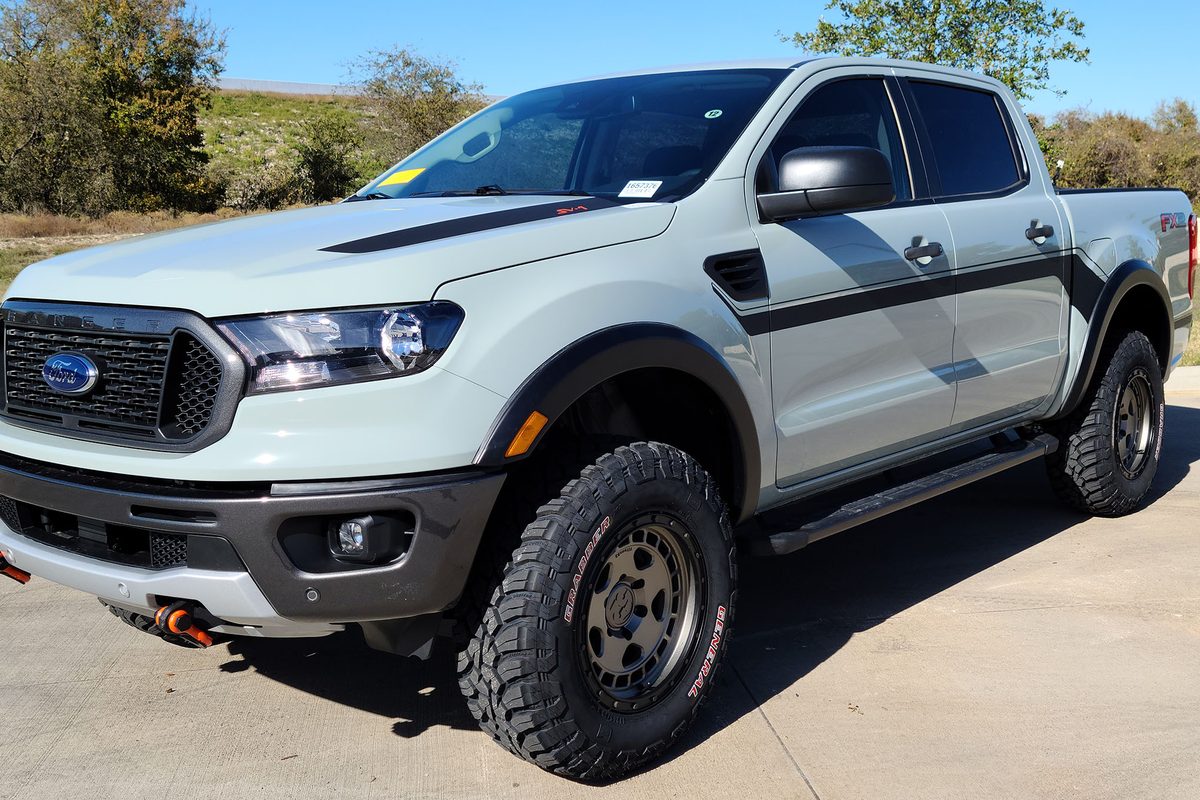
Off-road fitment must allow for steering angle, suspension
compression, articulation and the additional weight of bumpers,
winches, armor and cargo equipment.
Off-road planning may consider:
- Required ground clearance
- Suspension travel and articulation
- Tire diameter and width
- Wheel offset and backspacing
- Body and fender clearance
- Steering-component clearance
- Spare-tire size and mounting
- Added vehicle weight
- Axle ratio and driveline load
- On-road ride and noise
The largest possible tire is not always the best choice. The final
package should match the vehicle’s gearing, suspension and actual
terrain.
Correct Fitment
Performance Wheels
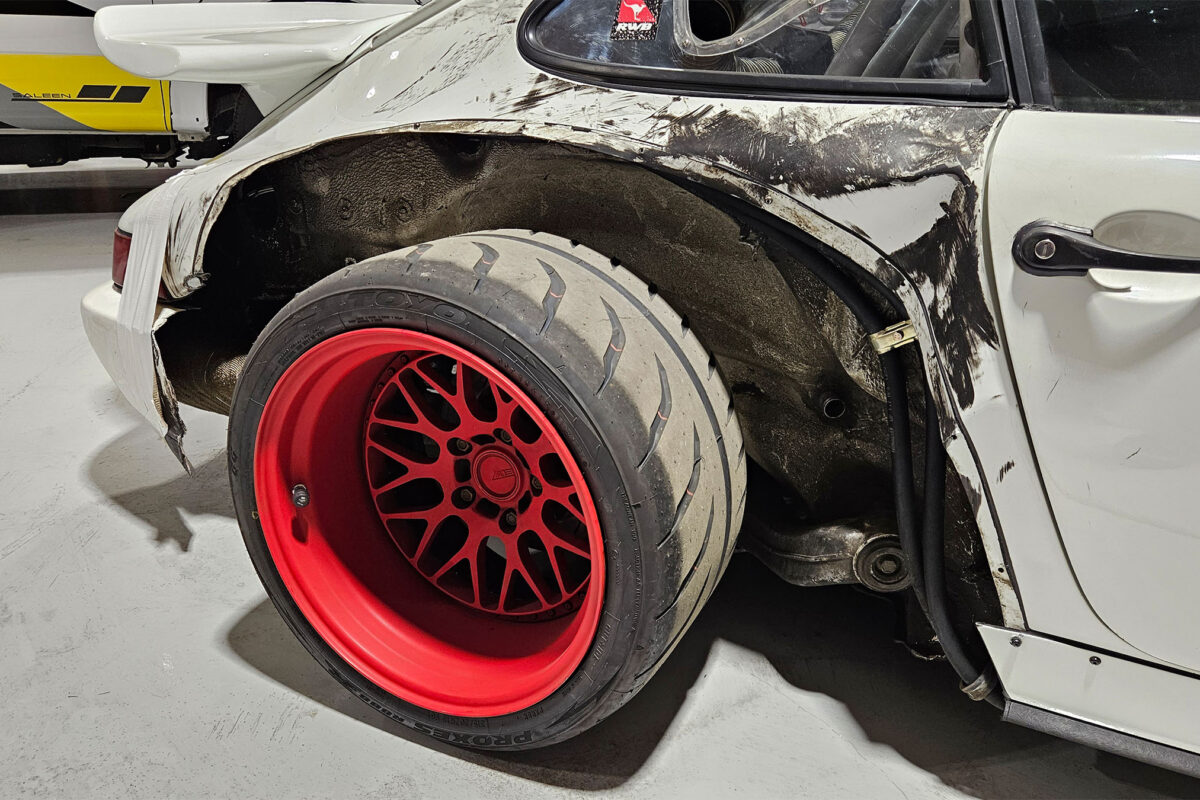
Wheel selection requires more than matching the bolt pattern.
Diameter, width, offset, backspacing, center bore, brake clearance
and load capacity must all be correct.
Wheel-fitment planning includes:
- Bolt-pattern verification
- Center-bore and hub compatibility
- Wheel diameter and width
- Offset and backspacing
- Brake-caliper clearance
- Suspension-component clearance
- Fender and body clearance
- Vehicle load requirements
- Required lug nuts or wheel hardware
- TPMS compatibility
Our focus is an integrated wheel package that supports the
vehicle’s suspension, brakes, appearance and intended use.
Traction & Road Use
Tire Selection
Tire choice affects traction, braking, steering response, ride,
road noise, wet-weather behavior and vehicle load capacity.
Tire selection may consider:
- Street-performance use
- Daily driving and wet-weather use
- Track or autocross use
- All-terrain driving
- Mud-terrain and off-road use
- Towing and payload
- Speed and load ratings
- Wheel width compatibility
- Overall tire diameter
- Seasonal and temperature requirements
Tire specifications are matched to the vehicle and intended use
rather than selected by appearance alone.
Installation & Verification
Wheel and Tire Installation
Installation includes more than fastening the wheel to the vehicle.
Hardware, torque, tire direction, clearance and balance must all be
checked.
Installation may include:
- Wheel and tire condition inspection
- Directional tire verification
- TPMS sensor installation or transfer when applicable
- Balance verification and correction
- Correct lug-nut or wheel-bolt selection
- Hub and mounting-surface inspection
- Manufacturer-specified wheel torque
- Static clearance inspection
- Steering-lock clearance check
- Road-test evaluation when appropriate
wheels are turned or the vehicle is loaded. Modified fitments may
require additional inspection and adjustment.
Supporting Components
Brake and Wheel Clearance
Performance brakes and aftermarket wheels must be selected
together. Wheel diameter alone does not guarantee caliper
clearance.
Brake-related fitment may include:
- Caliper face clearance
- Barrel and spoke clearance
- Rotor diameter compatibility
- Wheel-weight placement
- Brake-hose and suspension clearance
- Future brake-upgrade planning
When a brake upgrade is planned, the intended brake package should
be considered before wheels are ordered.
Geometry & Tire Life
Alignment Planning
Lowering, lifting or replacing major suspension components changes
alignment. The appropriate settings depend on the vehicle, ride
height, tire package and intended use.
Alignment planning may address:
- Camber
- Caster
- Toe
- Steering-wheel position
- Ride-height consistency
- Available factory adjustment
- Required adjustable components
- Street versus performance settings
Alignment coordination is included when specified in the written
project estimate.
One Coordinated System
Complete Suspension and Fitment Packages
Planning the complete package before ordering parts reduces
avoidable fitment problems and duplicate labor.
SSV Texas can coordinate:
- Suspension-system selection
- Supporting control arms and geometry components
- Wheel sizing and offset
- Tire sizing and intended use
- Brake clearance
- Body and fender clearance
- TPMS and wheel hardware
- Tire-diameter calibration when supported
- Alignment coordination
- Final ride-height and clearance review
We develop the package around the complete vehicle rather than
treating the suspension, wheels and tires as unrelated purchases.
Customer-Supplied Parts
Customer-supplied suspension, wheel and tire components are
accepted following application, condition and fitment review.
SSV Texas does not warranty customer-supplied parts, incorrect
fitment, manufacturing defects, missing hardware or failures
caused by those components.
Booking and Deposits
Most projects require a 50% deposit to reserve
installation time and order components.
Payment terms for larger or multi-stage builds are determined by
project scope.
Central Texas Installation
SSV Texas serves performance and specialty-vehicle owners
throughout Central Texas, from Waco to San Marcos.
Send the VIN, current suspension details and desired wheel and
tire specifications to begin the review.
Common Questions
Suspension, Wheel and Tire Frequently Asked Questions
How much does suspension installation cost?
Installation is quoted according to the vehicle and suspension
system. Pricing depends on component access, existing
modifications, required supporting parts, setup requirements and
whether alignment or additional correction work is needed.
How do I know which wheel offset will fit?
Correct offset depends on wheel width, tire size, suspension,
brakes and body clearance. Bolt pattern and diameter alone are not
enough to confirm fitment.
Can you fit larger tires on my truck or Bronco?
Yes. We review suspension height, wheel offset, steering
clearance, body clearance, gearing, spare-tire fitment and
calibration requirements before recommending a tire size.
Will lowering cause my tires to rub?
Lowering reduces available clearance and can create contact when
the suspension compresses or the wheels turn. Wheel width, offset,
tire size, alignment and body clearance must be evaluated
together.
Do I need an alignment after suspension work?
Most lowering, lifting and major suspension-component changes
require an alignment. Some vehicles also need adjustable
components to reach the desired settings.
Can you install customer-supplied suspension or wheels?
Yes, following application, condition and fitment review.
Customer-supplied parts are not warrantied by SSV Texas.
Additional labor may apply to incomplete, damaged or
incompatible components.
Can you verify brake clearance before I order wheels?
We can review wheel specifications, brake dimensions and
available manufacturer templates. Final fitment remains dependent
on the accuracy of the information supplied by the wheel and
brake manufacturers.
Can you build a lifted truck that still tows?
Yes, when the suspension, wheel and tire package is selected
around the truck’s actual trailer weight, payload, hitch setup,
load ratings and operating conditions.
What information should I send for a quote?
Send the year, make, model, VIN, current suspension, brake
package, desired ride height, intended use and the exact part
numbers or wheel and tire specifications being considered.
Plan Your Suspension and Fitment
Tell us about your vehicle, how it is used and the stance or
capability you want. Include the year, make, model, VIN, current
modifications and any suspension, wheel or tire components already
selected.
Serving performance cars, trucks and specialty vehicles throughout
Central Texas, from Waco to San Marcos.